SHIPPING: $4.95 FLAT RATE - FREE OVER $55 - FREE RETURNS

SERVING LOOSE TEA SINCE 1994
$4.99
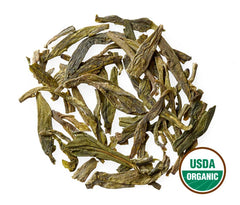
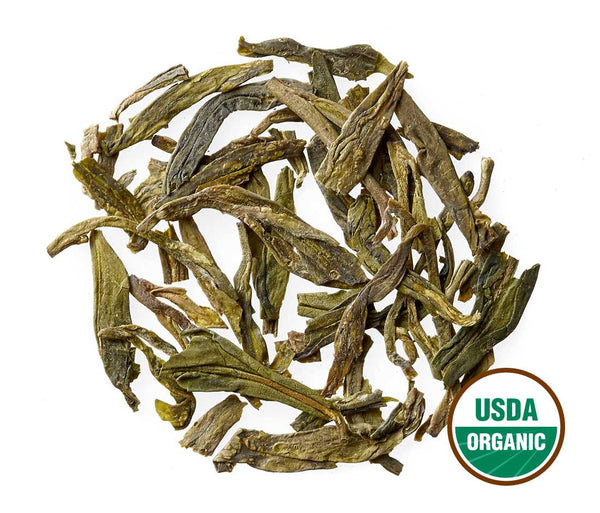
Our Dragon Well is grown and hand plucked in Zhejiang Province, China, before the mid-April rainy season. The tea is then sent to a special area in Hangzhou that specializes in roasting and drying Dragon Well teas. The leaves are hand roasted in giant woks giving them their characteristic...
$5.99
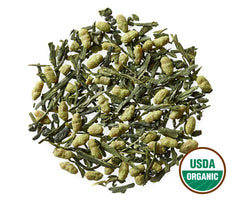
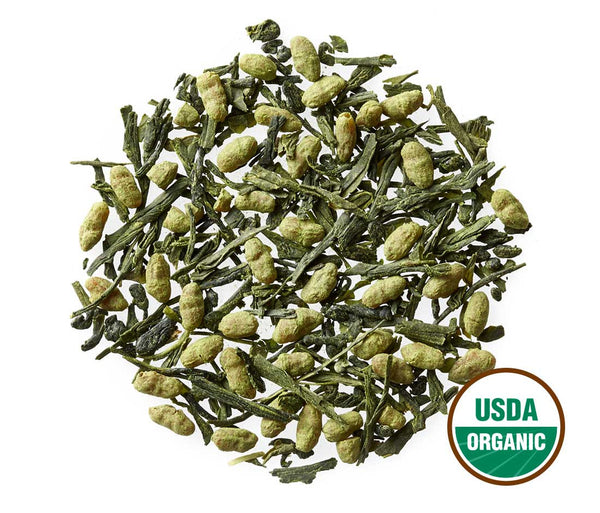
Just like many of the worlds' greatest foods, Genmaicha was created so that the Japanese working class could afford tea. People would add toasted brown rice (which was cheap and plentiful) to whatever green tea they could afford to buy. What they created was almost a fusion of flavors...
$5.99
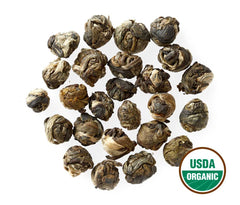
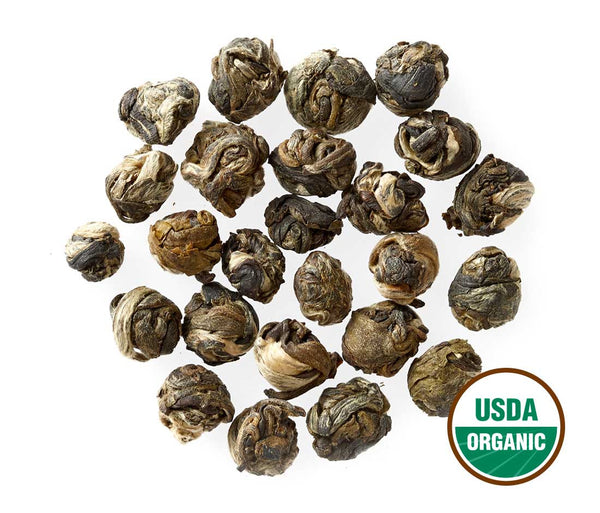
The green tea used for our Jasmine Pearls is sourced from an organic tea farm located outside Ningde City in Fujian Province, China. This particular garden lies between several mountain ranges and is naturally nourished by 24 intersecting streams and rivers. Because of this, the area is constantly surrounded...
$3.99
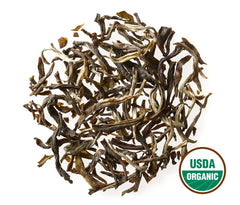
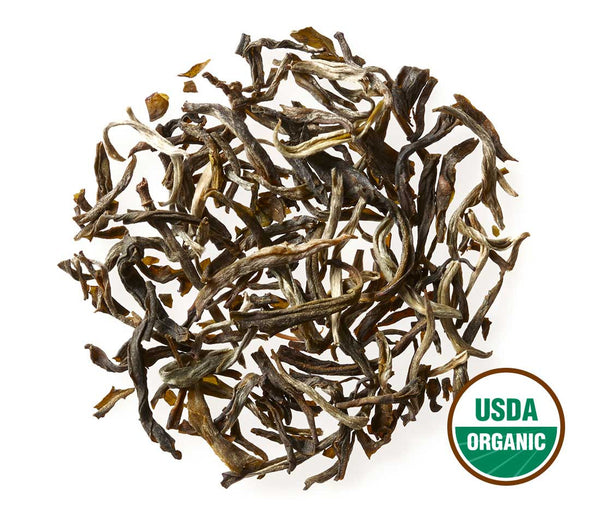
We use the finest grade Yin Hao Jasmine. The tea base is full of sweet silver tea tips giving the tea extra character and complexity. Grown in the Fujian Province, the green tea is plucked early in spring when the leaves are fresh and tender. We then quickly dry...
$3.99
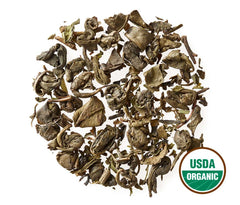
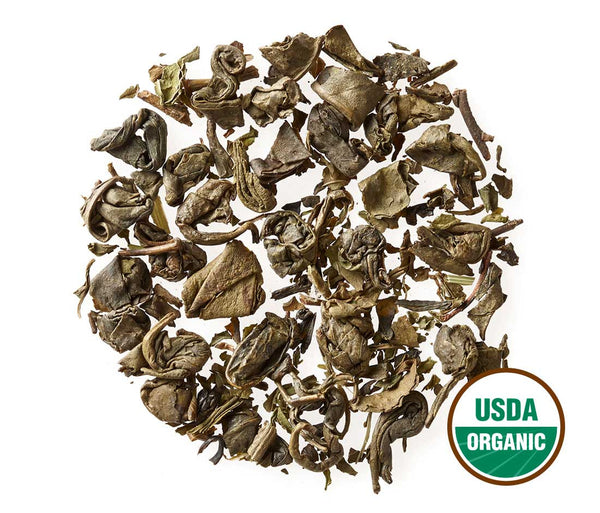
Our gunpowder tea comes from the Zhejiang Province in China. The leaves are plucked in late summer allowing them to mature in flavor and give it its characteristic smoky flavor. The leaves are fired for an extended period of time in a hot oven until they become dark green...
$7.99
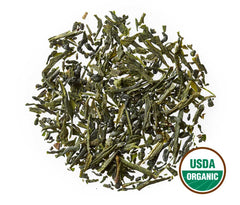
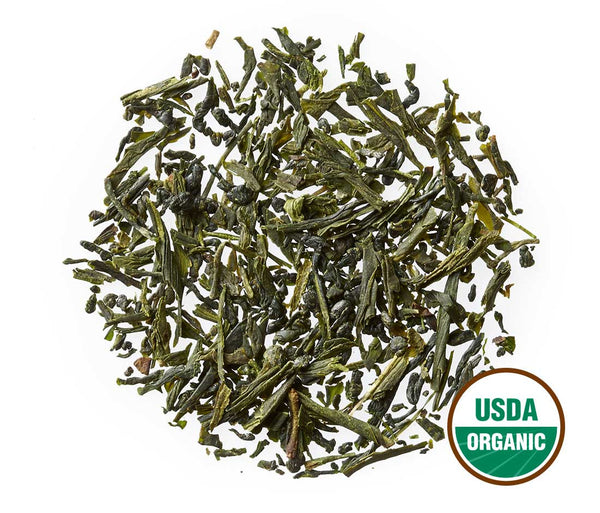
A handpicked Sencha from the Kagoshima, Kyushu located in the Southwest region of Japan. Due to its location in Southern Japan, this region enjoys warmer temperatures throughout the year allowing for an earlier spring and crop harvest. The soil for this farm is located near volcanoes giving it a...


© 2026 Golden Moon Tea.
Designed by Eshop Guide with Shopify


Here is a quick guide to how many cups of brewed tea each of our serving sizes makes.
If you would like to know more about how we came up with these calculations plus how to figure out cost per serving check out this article.