Oolong Tea
-
Golden Moon Difference
-
What is Oolong Tea?
-
Where It Comes From
-
Health Benefits
-
History
-
What It Tastes Like
-
Caffeine Levels
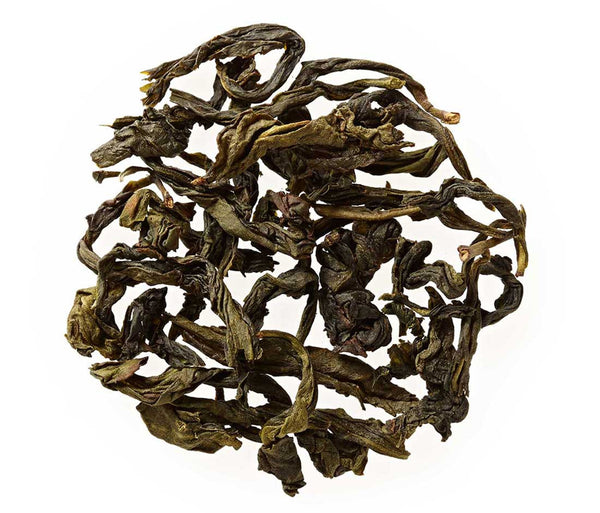
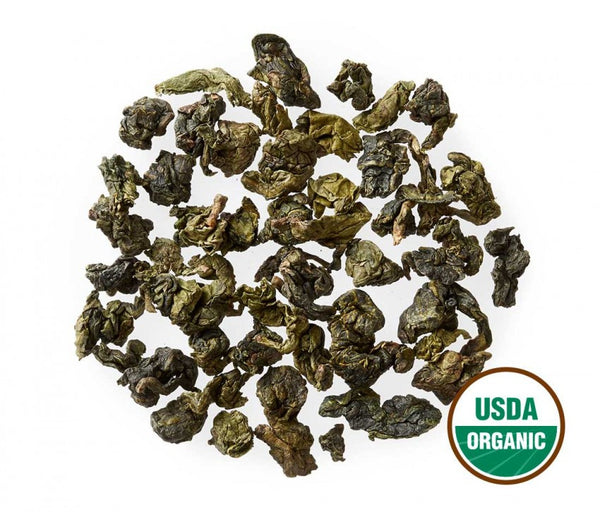
Golden Moon searches the world for the largest, fluffiest oolong teas we can find. This is why our teas have such a complex flavor, with layers of different sensations that roll across your tongue with every sip. Golden Moon finds small farmers that produce this style of tea the proper way, with big full leaves that have been hand crafted by true artisans. Once you try our oolongs, you will see the Golden moon Tea difference.
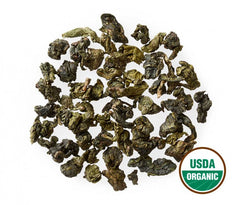
Tea farmers have a unique way of processing oolong teas. First they pluck the leaves, and then they wilt them in the sun. They then shake the tea leaves in large baskets to bruise them and start the oxidation process. It is this oxidation process that makes this style of tea so special. Some oolong teas are lightly oxidized making them taste and look more like green tea. Others are more heavily oxidized giving them a heavier body and a flavor closer to black tea.
Oolong Teas come from two different countries, China and Taiwan. The two most acclaimed growing regions in China are the Fujian and Guangdong Provinces. Taiwan grows its famous oolongs country wide, but many of their famous teas come from the mountains.
These are many health claims associated with Oolong Tea, including the reduction of cholesterol, treatment of digestive disorders, prevention of heart disease, boosting your immune system and weight loss. Weight loss has been the most popular health benefit over the past few years, with studies showing that drinking these teas every day can shed up to 8 lbs. a year.
The origin story starts with a deer. One day a tea farmer was plucking his tea leaves and saw a giant deer running off into the woods. Being in awe of the deer’s size, the farmer chased after the deer instead of processing his picked leaves. He chased after the deer for a full day, but never found it. When he came back to his tea leaves the farmer noticed something had happened. The edges of the leaves had oxidized a small amount and the aroma of the leaves was incredible. He finished processing this tea and found it had a sweet flavor, with almost no bitterness. This tea became so popular they named it after this farmer – which happened to be Oolong.
Oolong Teas have a wide range of natural flavors. Some, like our Orchid Temple, have a creamy taste with a finish of freshly buttered bread. Others, like our Imperial Formosa, have more roasted notes with a finish of bright citrus fruit. But no matter which one of our teas you drink, they all have complex flavors that evolve as you drink them, often opening up to give you new flavors in every sip.
The caffeine content of Oolong Tea can be from medium to high. If the tea has a greener color, then the caffeine will be lower. If the tea looks closer to a black tea, than it will be higher in caffeine.